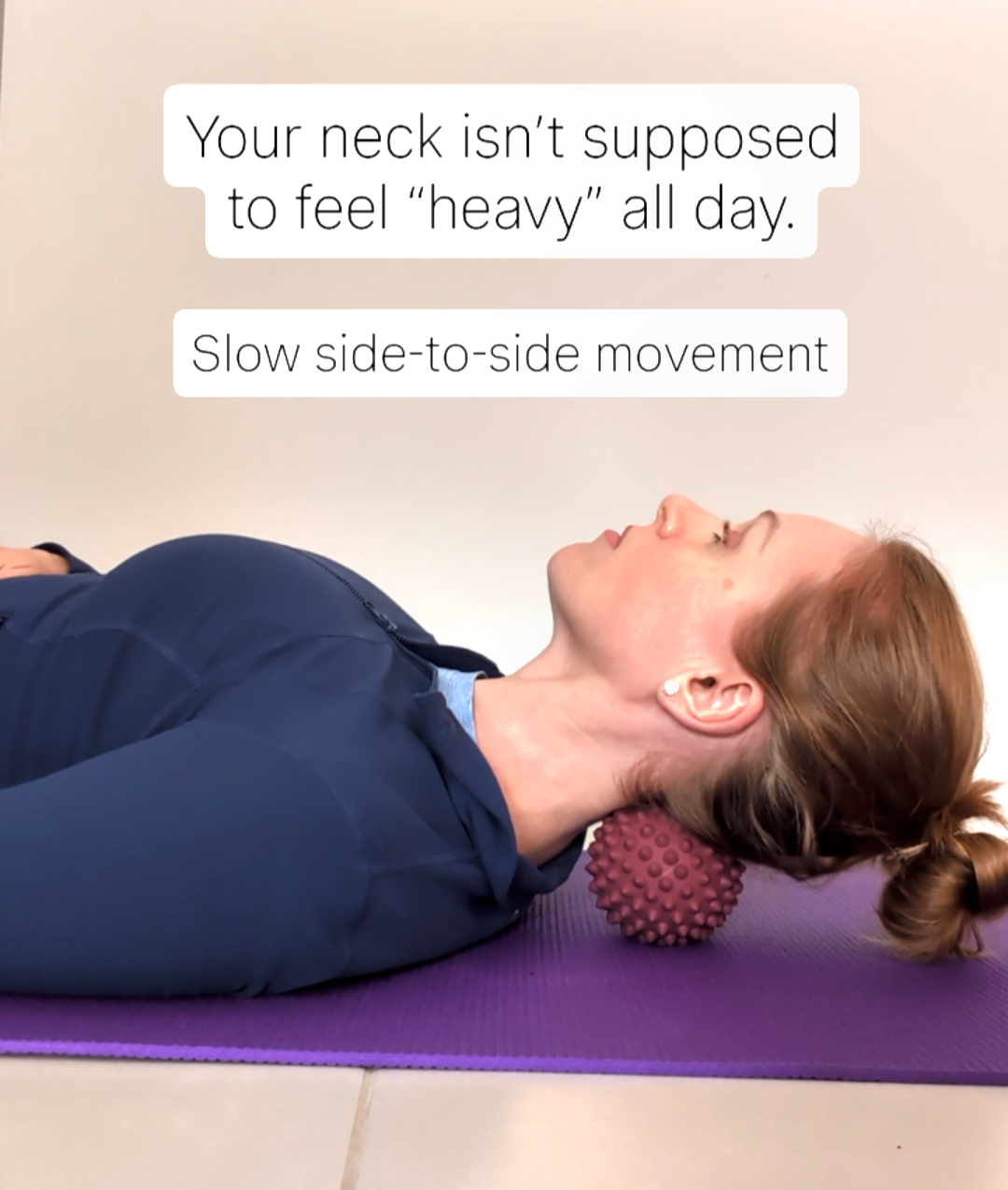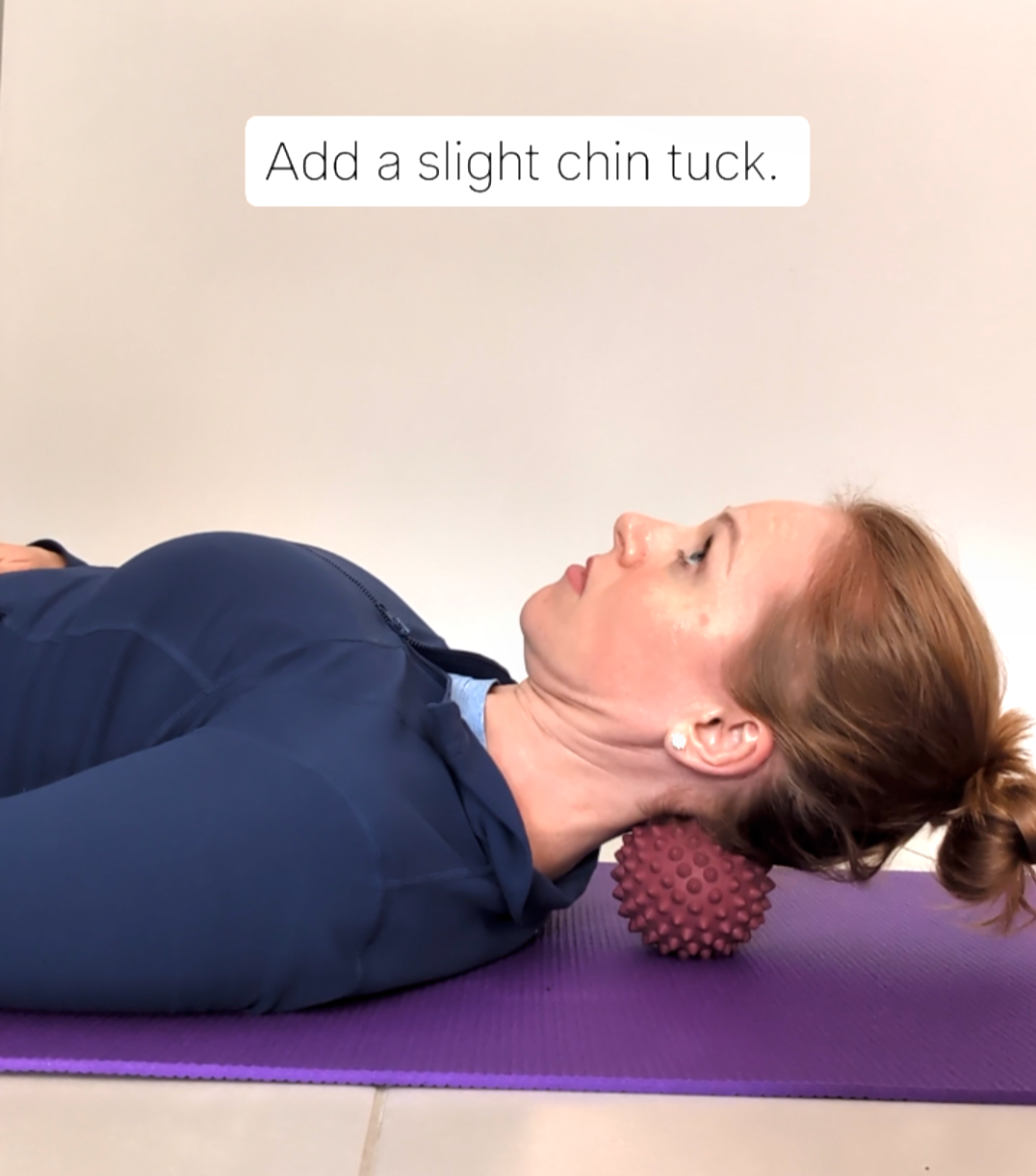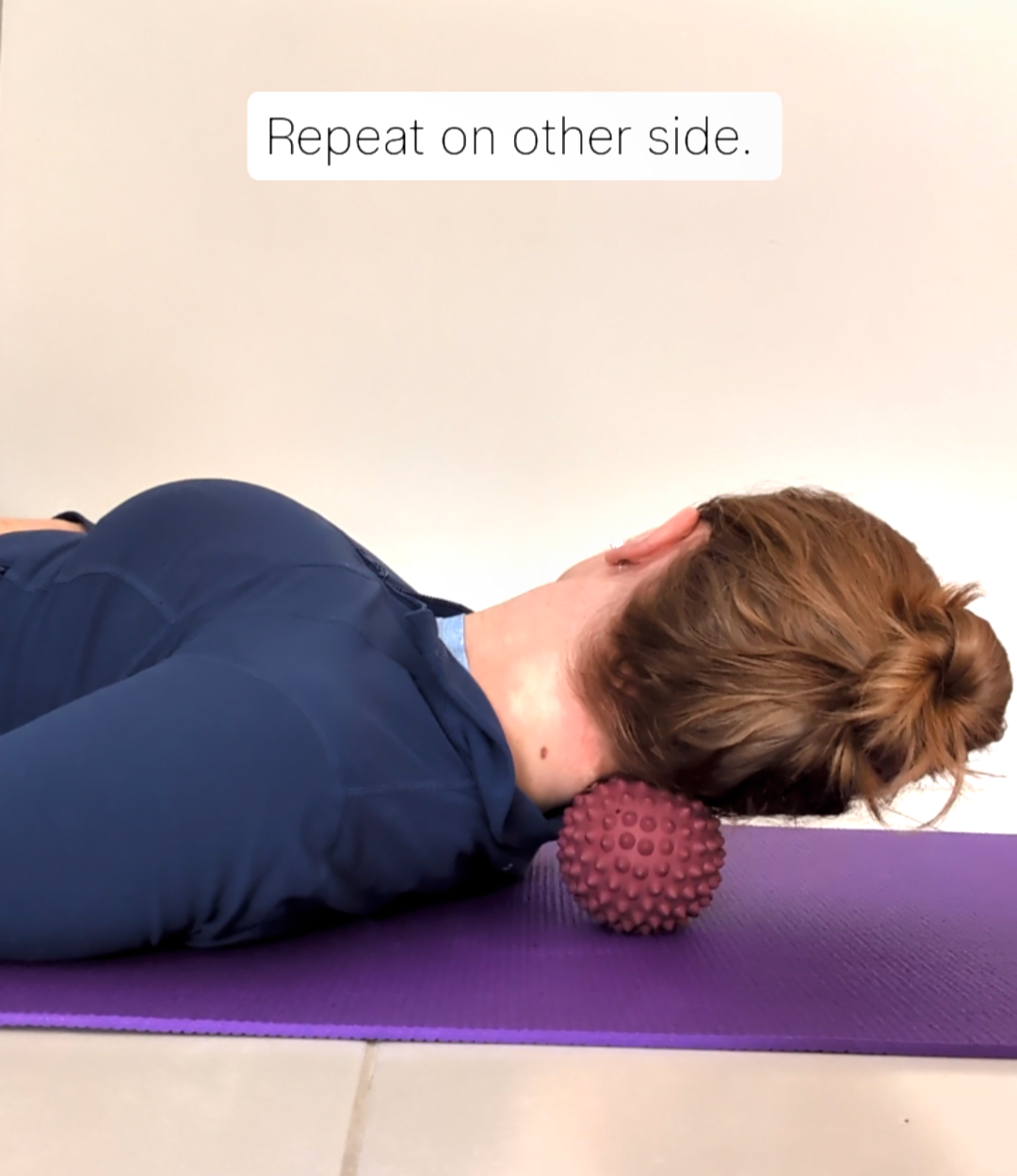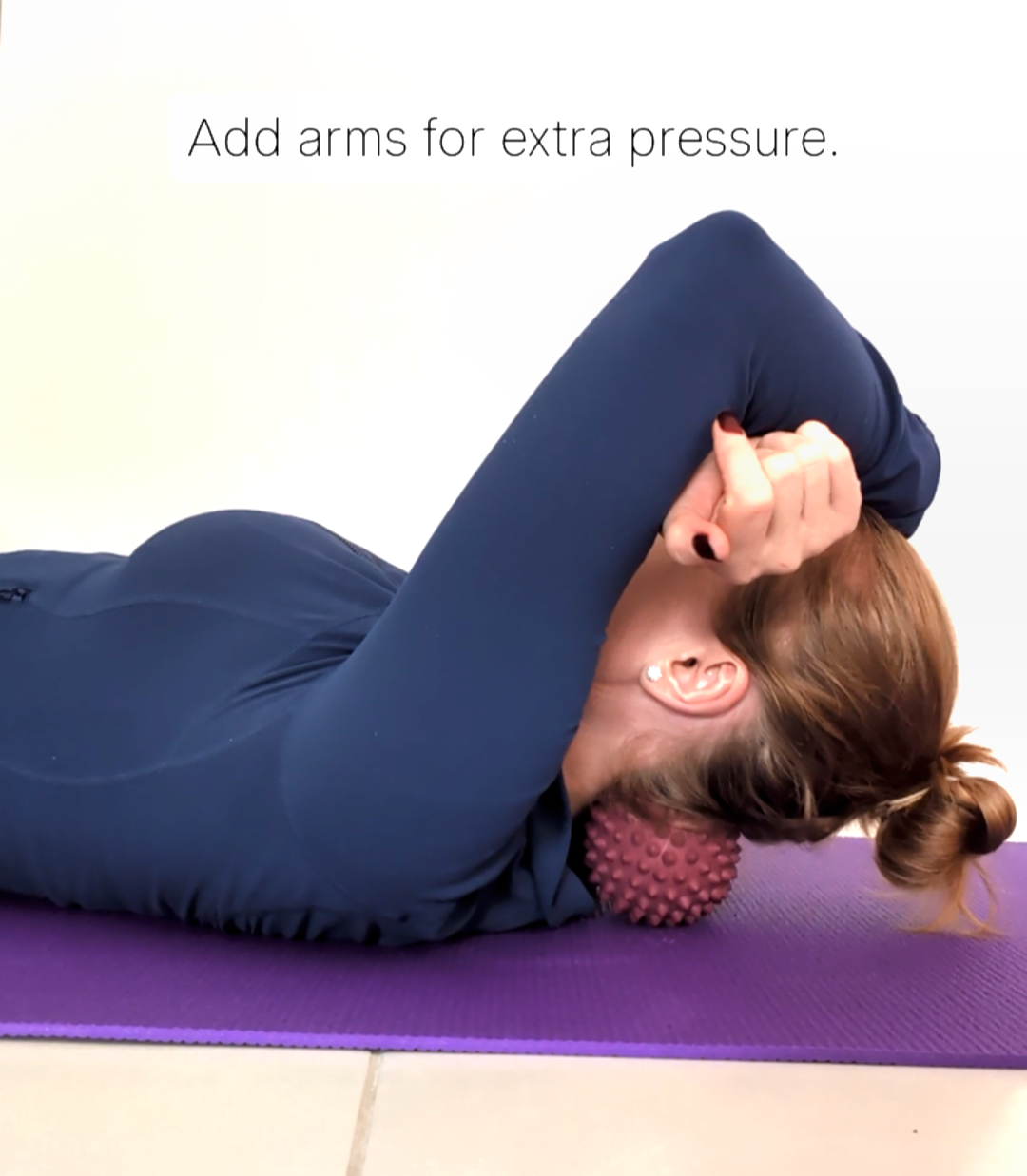

When No Sleeping Position Feels Right: Is It Your Pillow or Your Neck?
/You start on your back, move onto your side, turn the pillow over, swap it for another one—and somehow you still cannot get comfortable.
It is a story I hear regularly from people experiencing neck pain or stiffness. Many have already tried a firmer pillow, a softer pillow, a contoured pillow or no pillow at all. Although a pillow can influence comfort and support, repeatedly changing pillows may not address every factor contributing to a restless night.
Does your pillow matter?
Yes, your pillow matters—but there is no single pillow that suits everyone. I personally like a contoured pillow and find many of my clients do too but not all of them.
Ideally, a pillow should feel comfortable and provide enough support for your usual sleeping position. Your build, mattress, preferred position and personal comfort all influence which height and firmness may suit you. Someone who sleeps on their side may need a different amount of support from someone who sleeps predominantly on their back.
Research suggests that pillow design can influence waking neck symptoms and pillow satisfaction. However, the available research does not point to one universally “best” pillow, and individual responses vary. This is why a pillow that one person loves may feel completely wrong to someone else.
Why might every position feel uncomfortable?
When your neck is already painful or sensitive, it may be difficult to find a position that feels comfortable for long. Factors worth considering can include:
when and how the symptoms began
your usual sleeping positions
your pillow and mattress setup
how your neck is moving
sensitivity in the surrounding joints and muscles
recent changes in work, exercise or daily activity
a recent injury or an underlying health condition
This does not mean that everyone who struggles to get comfortable needs treatment. An occasional restless night is common. However, if neck pain or stiffness is persistent, worsening or regularly disturbing your sleep, it may be worth having it assessed rather than continuing to buy different pillows.
What happens during a neck assessment?
An assessment begins with a conversation about your symptoms. This may include when they started, what aggravates or eases them, whether they travel into your arm, and whether you have noticed headaches, numbness, weakness or other changes.
I may then assess relevant neck movement, joints and muscles and consider how the findings relate to your symptoms. If chiropractic care is appropriate, an individual management plan may include advice, exercises, hands-on care or other techniques. If the assessment suggests that another type of care or further investigation is more suitable, I will discuss referral options with you.
The purpose is not to promise a perfect night’s sleep or insist that your pillow is irrelevant. It is to consider the wider picture and help you make more informed decisions about your neck and sleeping setup.
A few practical pillow considerations
Start with comfort. A pillow that feels immediately uncomfortable is unlikely to become your favourite after several restless nights.
Consider your usual position. Your pillow should support your head and neck without feeling excessively high or low.
Remember the mattress. How deeply your shoulder and body sink into the mattress changes the amount of pillow height you may need.
Change one thing at a time. Swapping pillows and positions repeatedly can make it difficult to work out what is helping.
Do not ignore persistent symptoms. A pillow is not a substitute for assessment when pain is ongoing, worsening or accompanied by other concerning symptoms.
Tired of the nightly pillow rotation?
If neck pain or stiffness is making it difficult to get comfortable, you are welcome to book an assessment using the ‘Book Now’ button. We can look at what may be relevant to your symptoms and discuss an appropriate plan based on the findings.
References
Chun-Yiu JP, et al. The effects of pillow designs on neck pain, waking symptoms, neck disability, sleep quality and spinal alignment in adults: a systematic review and meta-analysis. Clinical Biomechanics. 2021. https://pubmed.ncbi.nlm.nih.gov/33895703/
Gordon SJ, Grimmer-Somers K, Trott P. Pillow use: the behavior of cervical stiffness, headache and scapular/arm pain. Journal of Pain Research. 2010. https://pubmed.ncbi.nlm.nih.gov/21197317/