

Why the Base of Your Skull Gets So Tight (And What You Can Do About It)
/Do you ever feel like your head is “heavy” by the end of the day?
A lot of people carry tension in the small muscles at the base of the skull without even realising it. This area often becomes overloaded from:
desk work
stress and tension
driving
long hours looking at screens
clenching or jaw tension
When these muscles stay tight, people may notice:
neck stiffness
tension headaches
reduced neck movement
discomfort turning their head
that constant urge to rub the top of their neck
Many people instinctively try stretching by pulling on their neck, but sometimes the muscles at the base of the skull respond better to gentle pressure and movement instead.
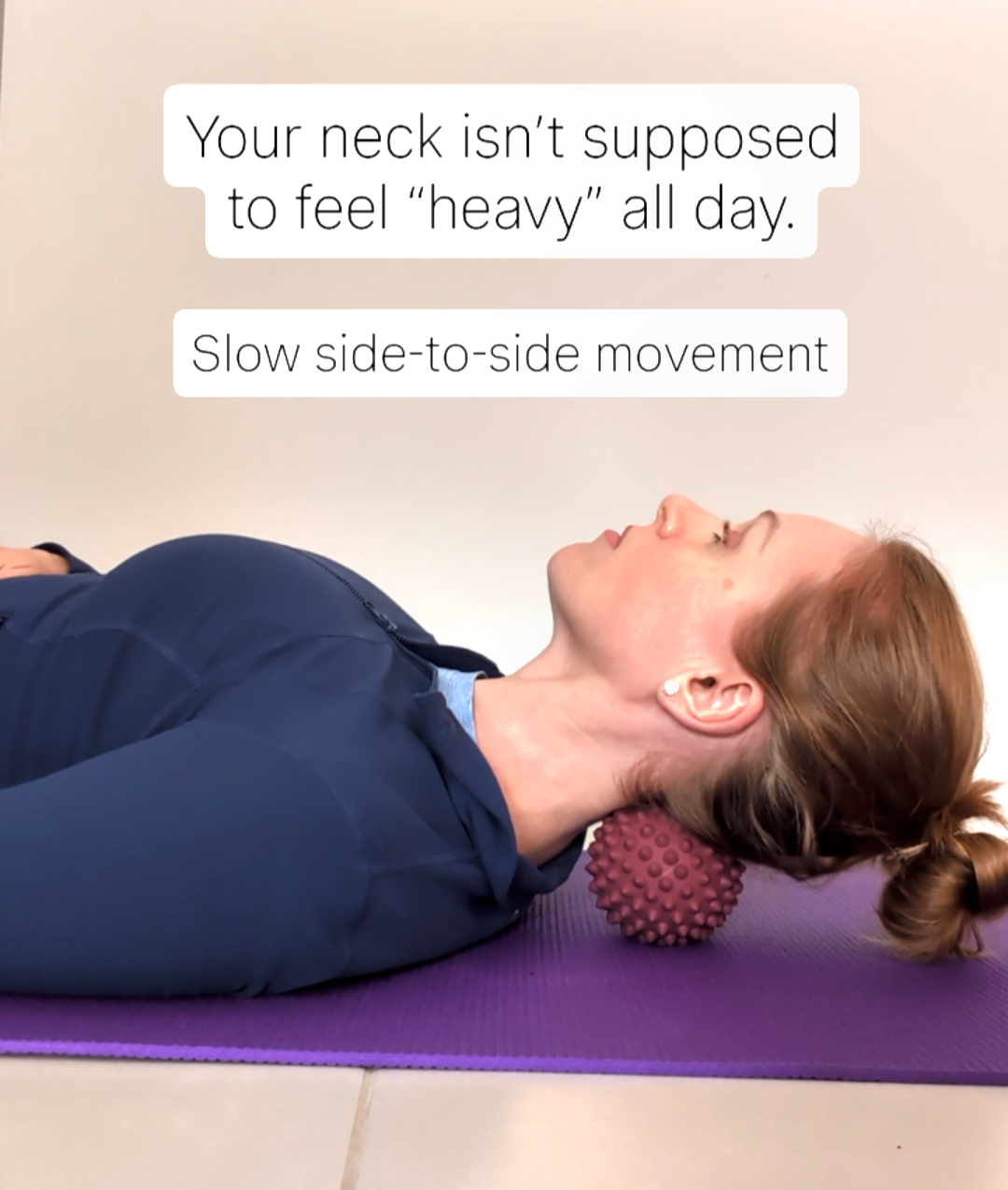
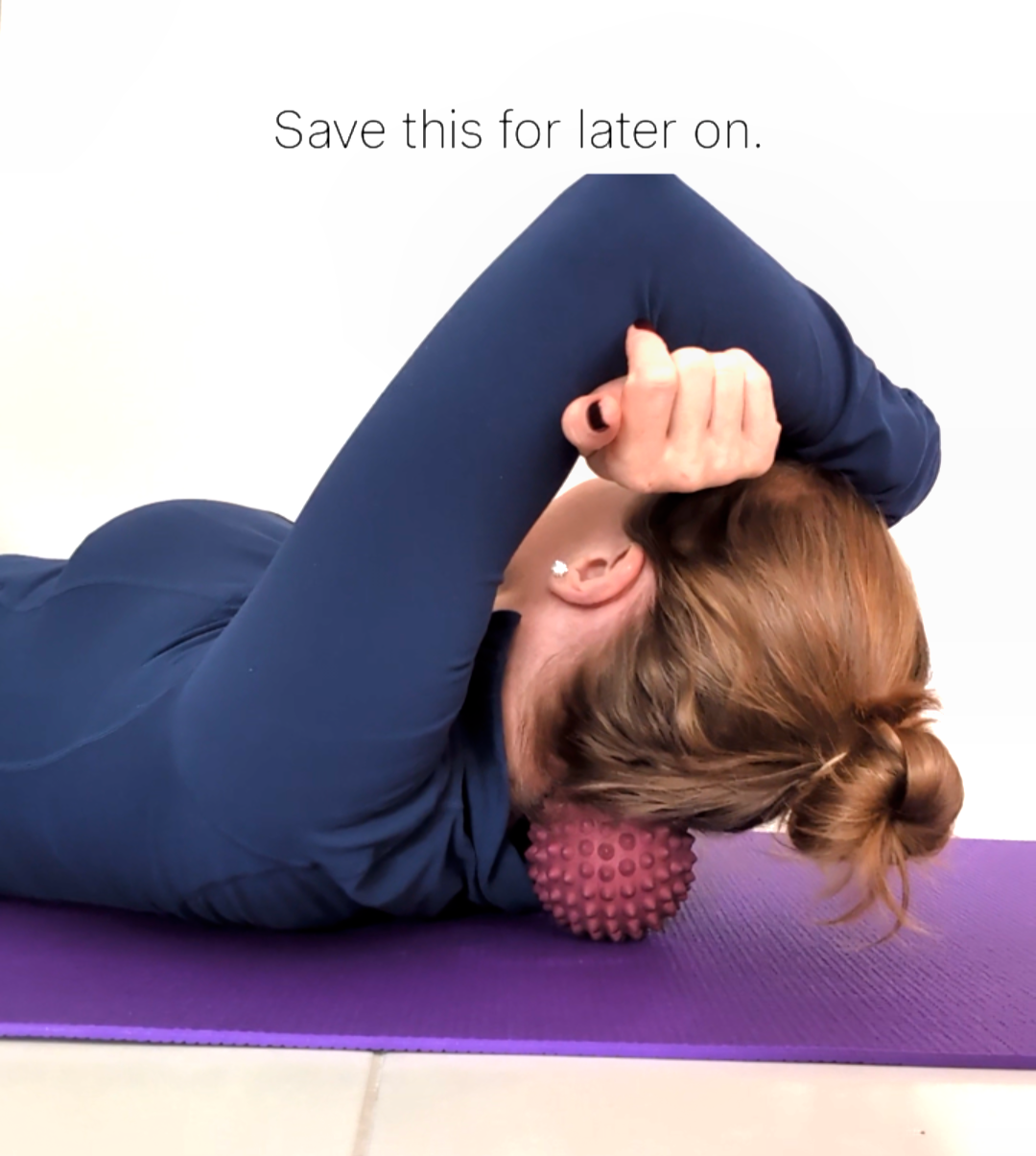
One simple technique I often recommend at home involves using a ball at the base of the skull and slowly moving across the tight muscles.
How to try it at home
Place a massage ball (or similar soft ball) at the base of your skull while lying on your back - see images below
Slowly roll side to side along the muscles
Pause and hold on any particularly tender spots
Return to the middle
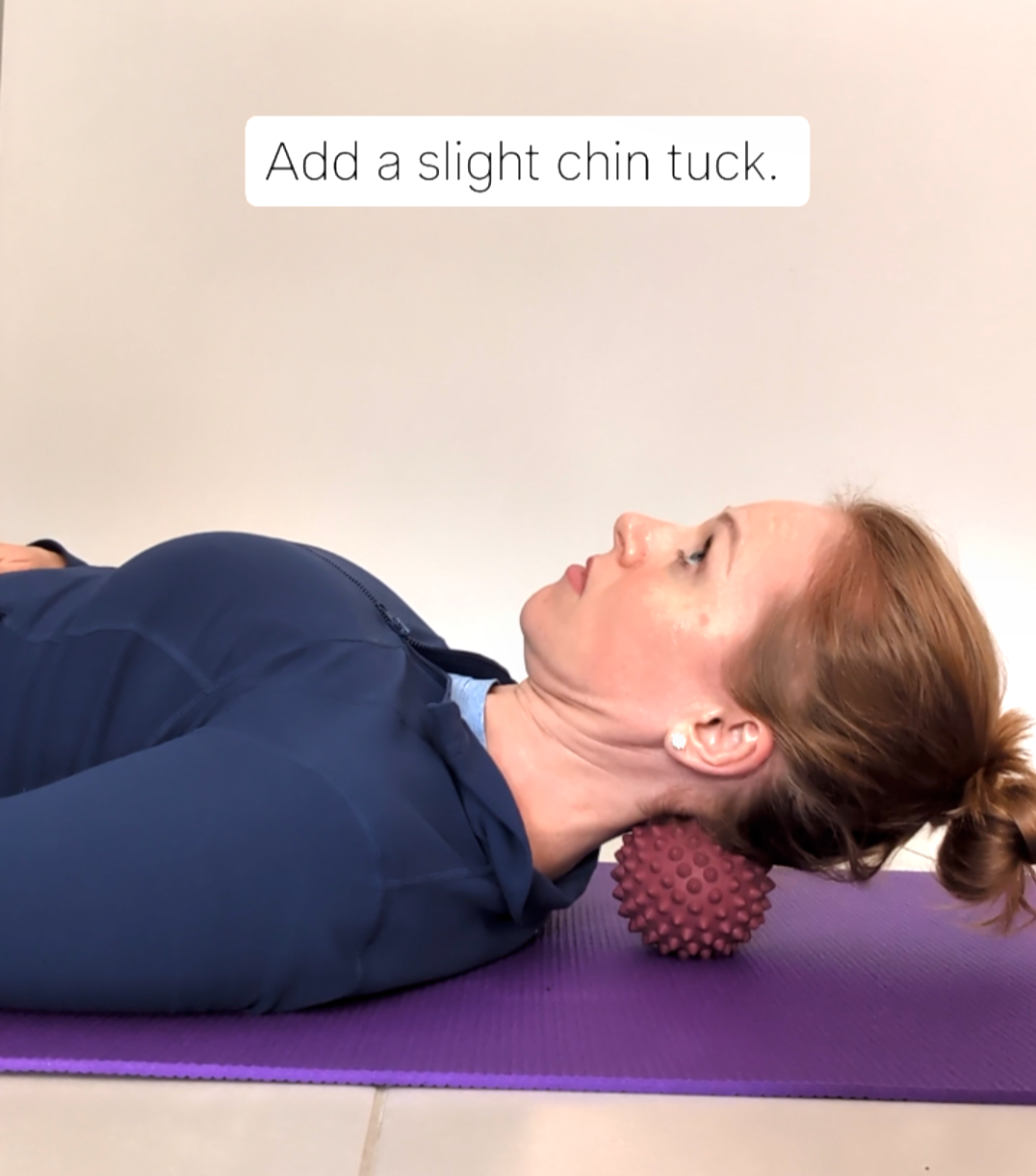
Slightly tuck your chin and repeat to target different muscles
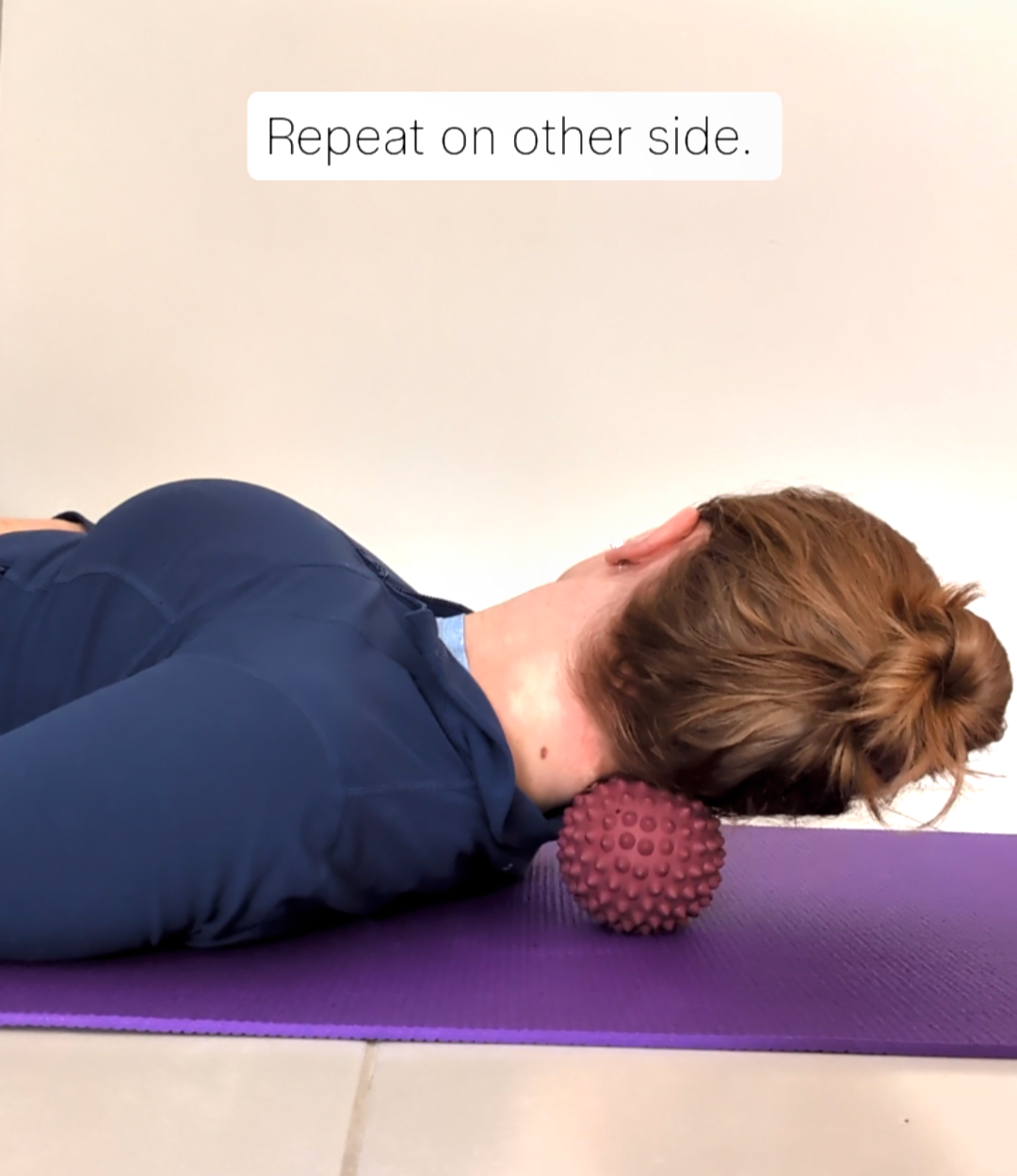
Repeat on the opposite side
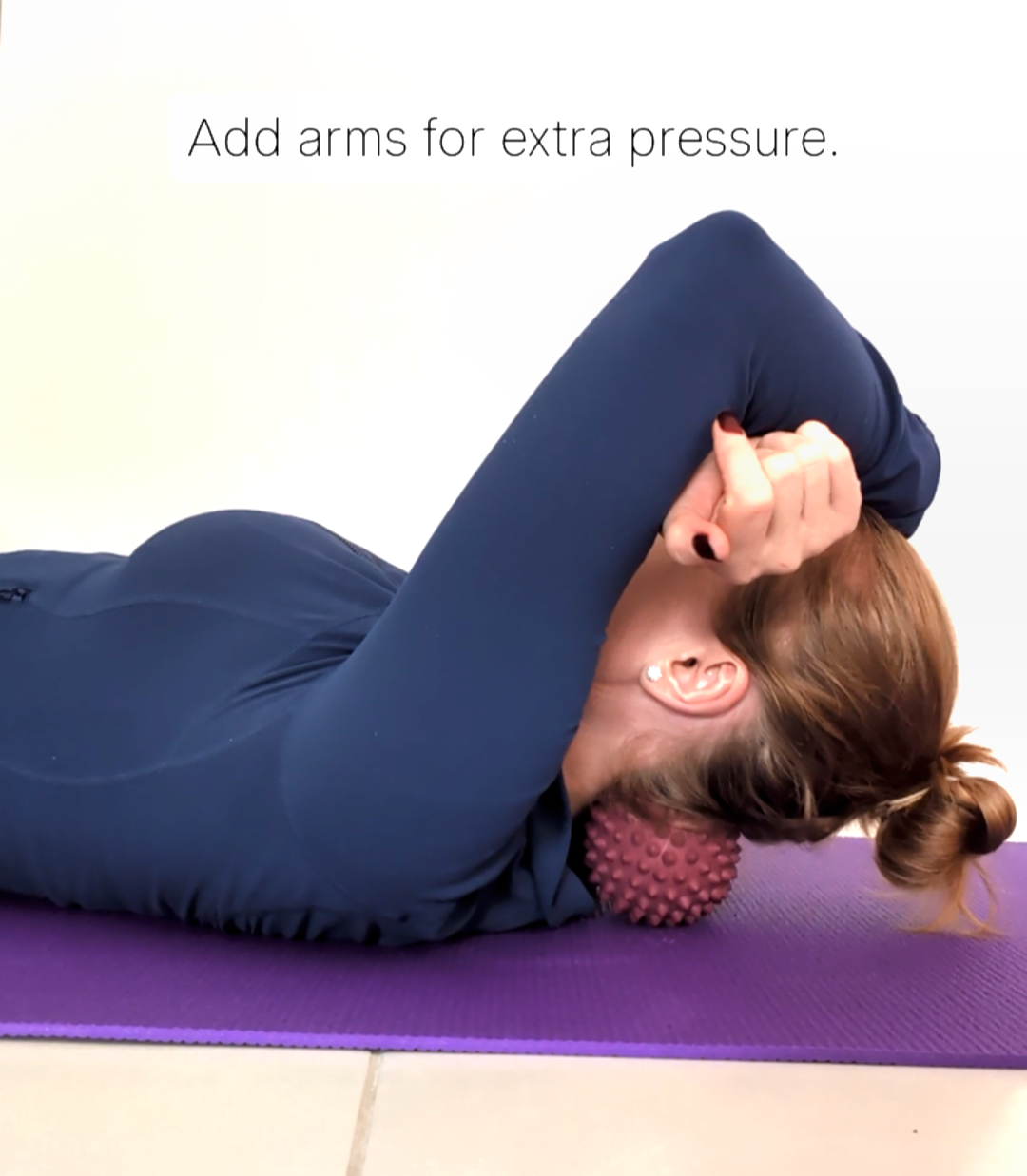
You can also use your forearms on your forehead to apply extra pressure
Many people find slow, controlled movement works best here.
If any exercise reproduces dizziness, numbness or sharp pain, stop and seek professional advice.
Why this area matters
The muscles at the top of the neck work hard throughout the day helping support and stabilise the head. Poor posture isn’t the only reason these muscles tighten — stress, fatigue, jaw clenching and prolonged concentration can all contribute too.
Sometimes the muscles themselves are tight and overloaded. Other times the joints of the neck may also become stiff and restricted.
This is one reason why people often feel temporary relief from stretching or massage, but the tension keeps returning.
Chiropractic care for neck tension
Chiropractic care may help improve movement and reduce tension in the neck and upper back. Depending on the individual, treatment may include:
gentle joint mobilisation or adjustments
soft tissue work
dry needling
posture and ergonomic advice
exercises and movement strategies
The goal isn’t just short-term relief, but helping people move and feel better day to day.
If your neck constantly feels tight, heavy or restricted, it may be worth having it assessed properly rather than just pushing through it.
